Insights on document fraud
Forensic analysis, developer guides, and fraud patterns — from the team building the AI agent for document verification.
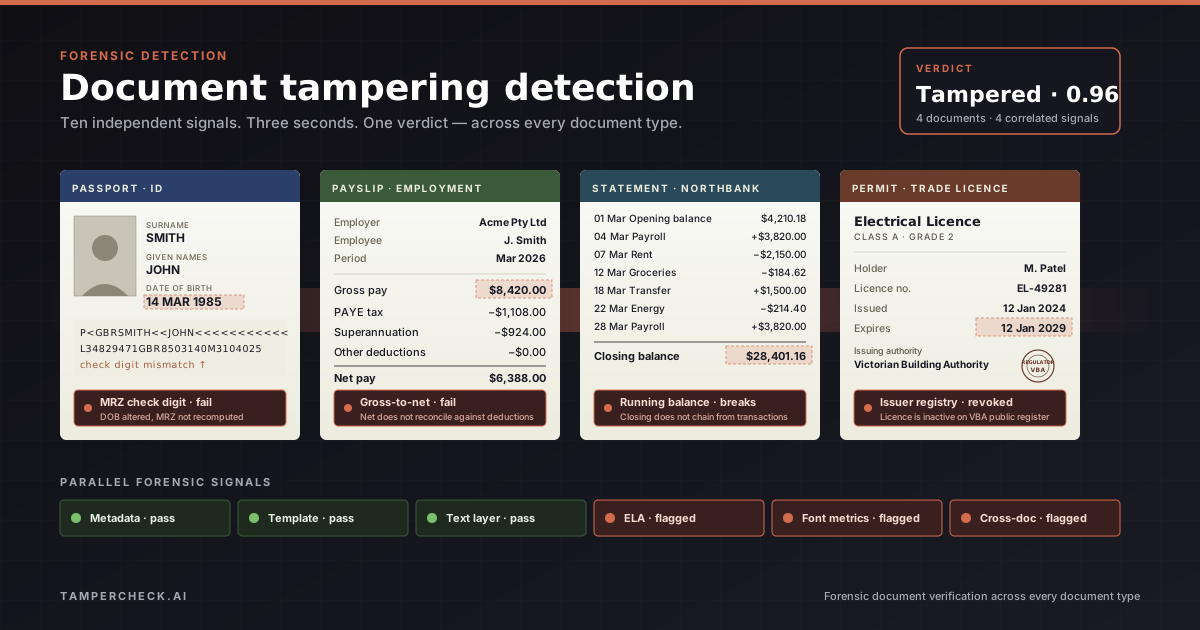
Document Tampering Detection: How It Works in 2026
Document tampering detection is how you prove a document wasn't issued the way it claims — not by squinting at it, but with a handful of checks a computer can run in seconds. Here's how it works, what it catches, and how to wire it into a real workflow.
Read more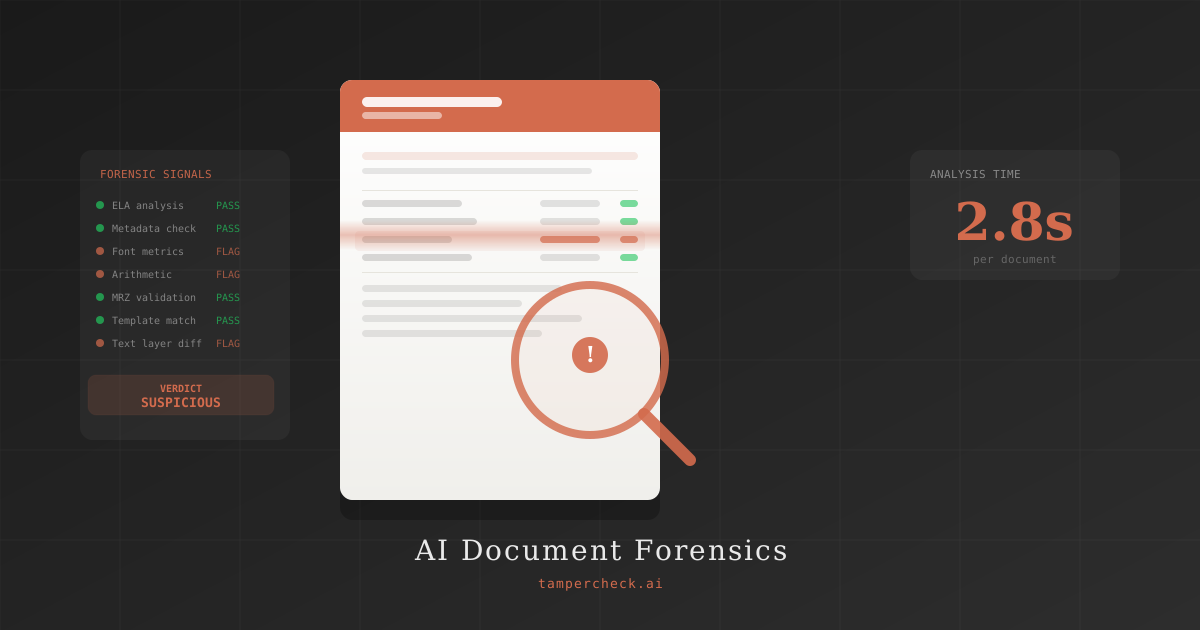
Disputed Wills and Contracts: 8 Forensic Signals That Reveal a Tampered Document
Most contested wills and contracts aren't fought over what the document says — they're fought over whether the document is real. Here is the forensic checklist that decides it.
Read more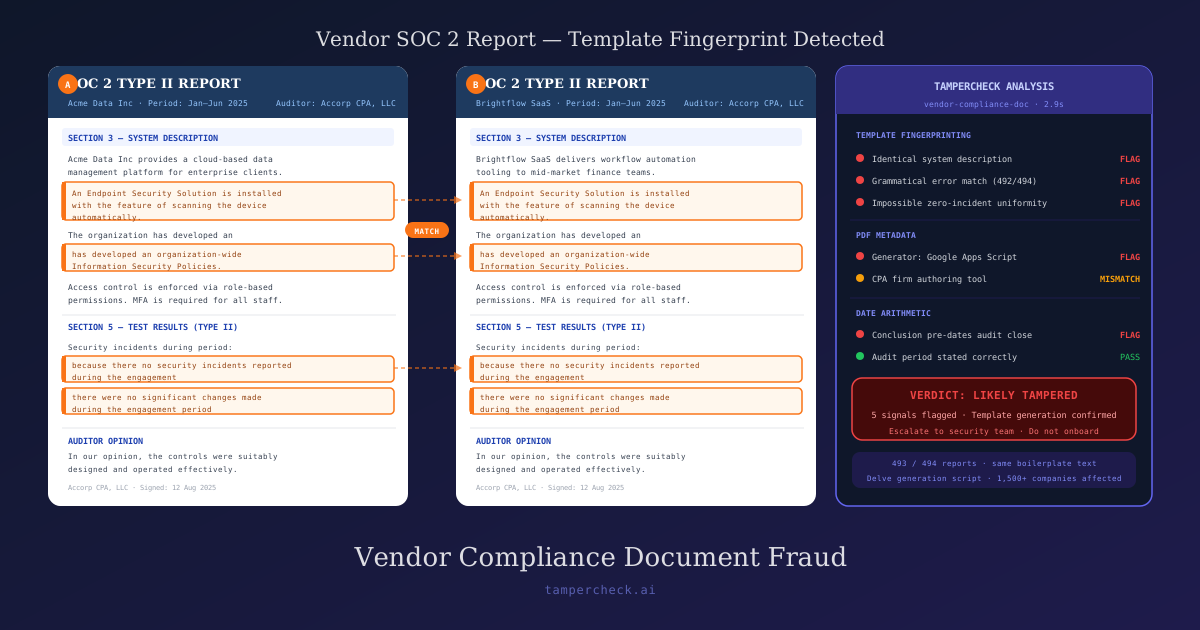
Your Vendor's SOC 2 Report Might Be a Template: What the Delve Scandal Reveals About B2B Trust
The Delve scandal exposed 1,500 tech companies holding fabricated SOC 2 certifications — and the enterprise buyers who trusted them. Forensic document verification catches what procurement checklists miss.
Read more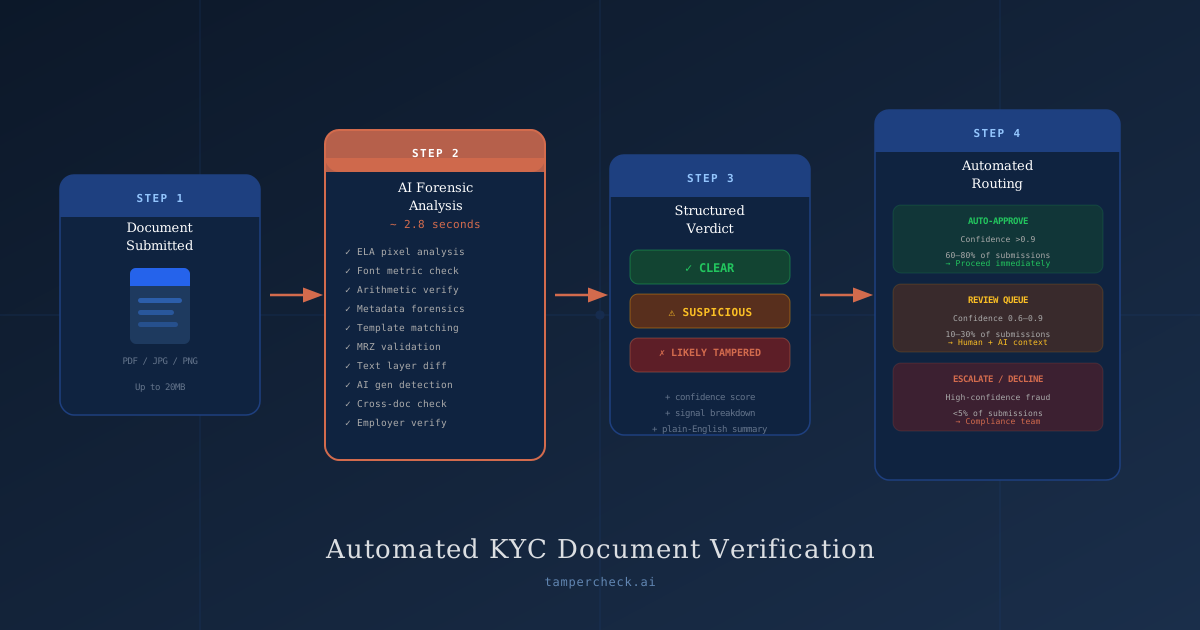
Education and Admissions Document Fraud: How Fake Transcripts Waste Admissions Resources and Compromise Institutional Integrity
Fake transcripts and fabricated marksheets are a growing problem for university admissions teams worldwide. Each fraudulent application wastes admissions resources, and successful ones compromise program integrity and graduate outcomes. Forensic document verification catches fraudulent academic credentials before they reach committee review.
Read more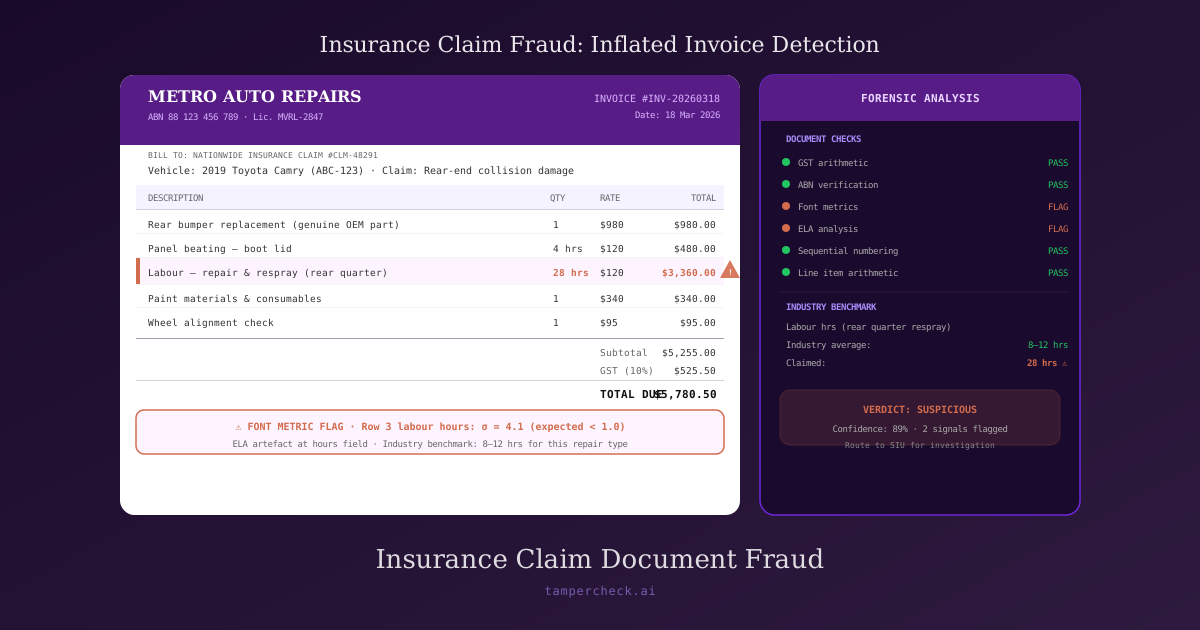
Healthcare Credential Fraud: Why Fake Nursing Certificates and Degree Documents Are a Patient Safety Issue
Credential fraud in healthcare isn't just a compliance failure — it's a patient safety issue. Fraudulent nursing certificates, fabricated medical degrees, and altered police clearances allow unqualified and potentially dangerous individuals to reach vulnerable patients. Forensic document verification stops them at the pre-employment stage.
Read more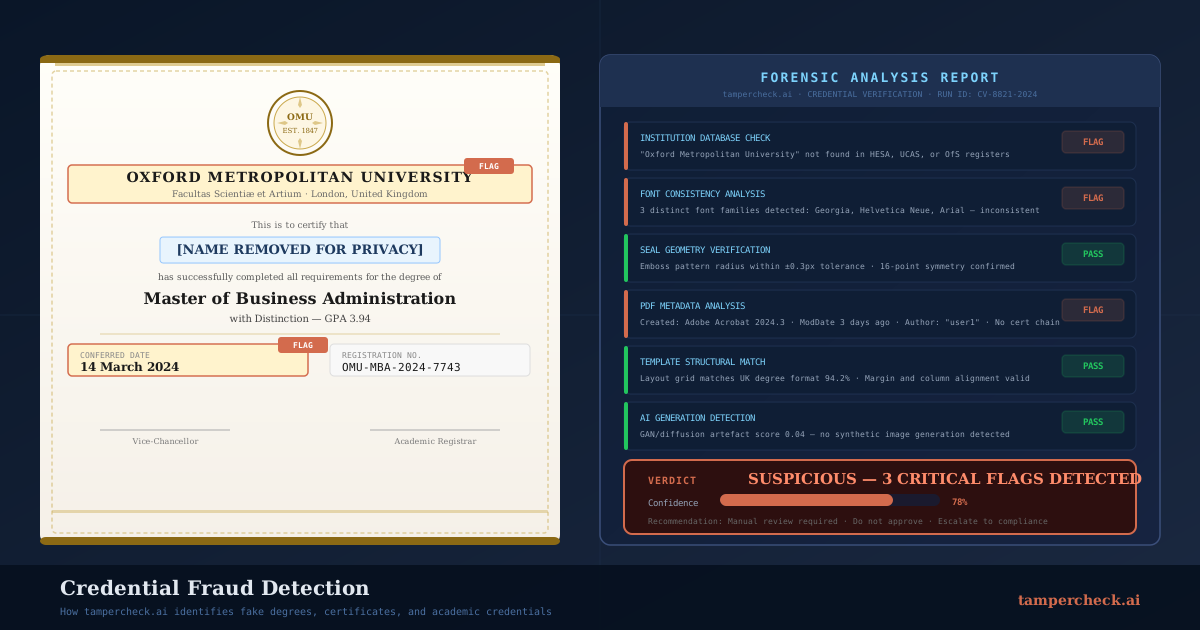
Trade Licence and Contractor Credential Fraud: The Compliance Risk Hidden in Construction Onboarding
A fraudulent gas engineer or unlicensed electrician isn't just a fraud problem — it's a safety issue. When contractor credentials are fabricated or altered, the downstream risk falls on principals, homeowners, and the public. Forensic document verification catches fake trade licences and compliance certificates before work begins.
Read moreVisa and Immigration Document Fraud: How Tampered Supporting Documents Reach the Consulate
Immigration visa applications require a supporting document bundle — passports, bank statements, employment letters, payslips, and more. Each document in that bundle is a potential fraud vector. Forensic document verification catches tampered and fabricated supporting documents before they influence an immigration decision.
Read more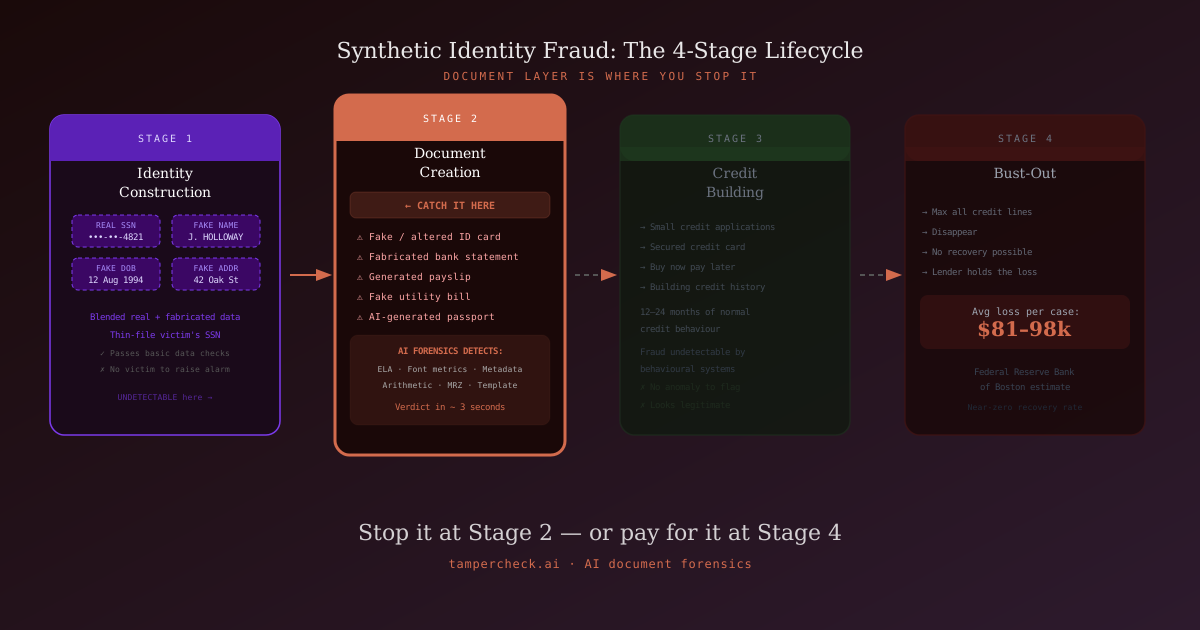
Synthetic Identity Fraud Explained: Why the Document Layer Is Where You Stop It
Synthetic identity fraud (SIF) is the fastest-growing financial crime category. Unlike traditional identity theft, there's no single victim to raise an alarm — the fraud runs undetected until the fraudster 'busts out.' Stopping it at the document layer is the earliest and cheapest intervention point.
Read more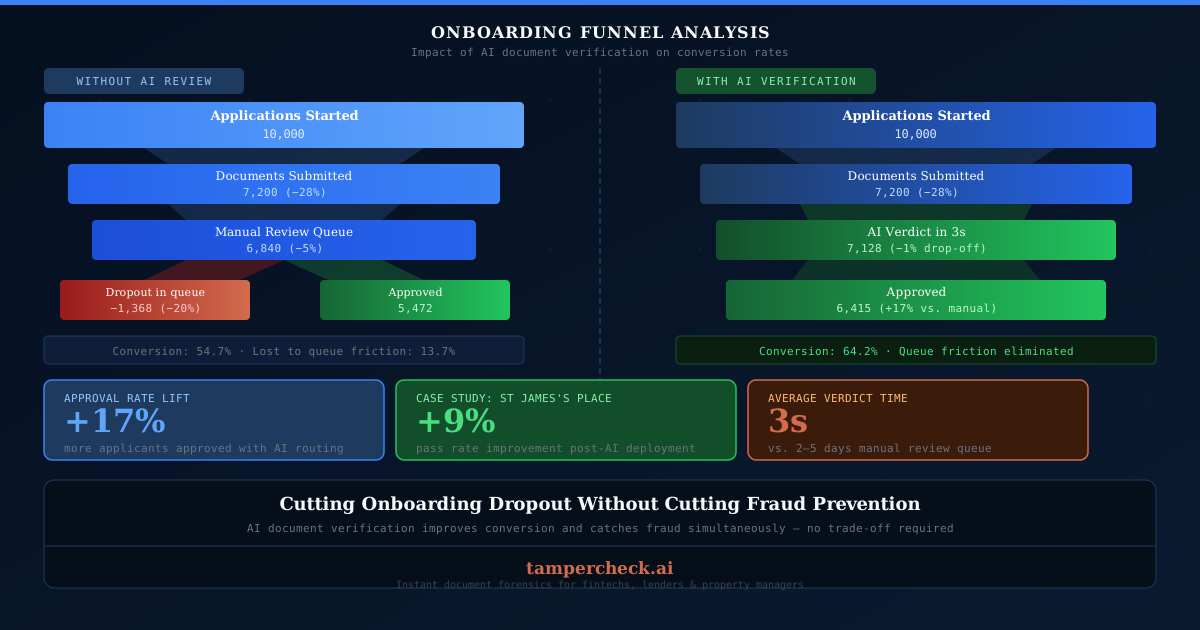
How to Cut Onboarding Dropout Without Cutting Fraud Prevention
Every additional step in an onboarding flow loses applicants. But stripping out verification steps increases fraud exposure. AI document verification resolves the tension — faster verdicts, fewer unnecessary friction points, better fraud catch rates.
Read more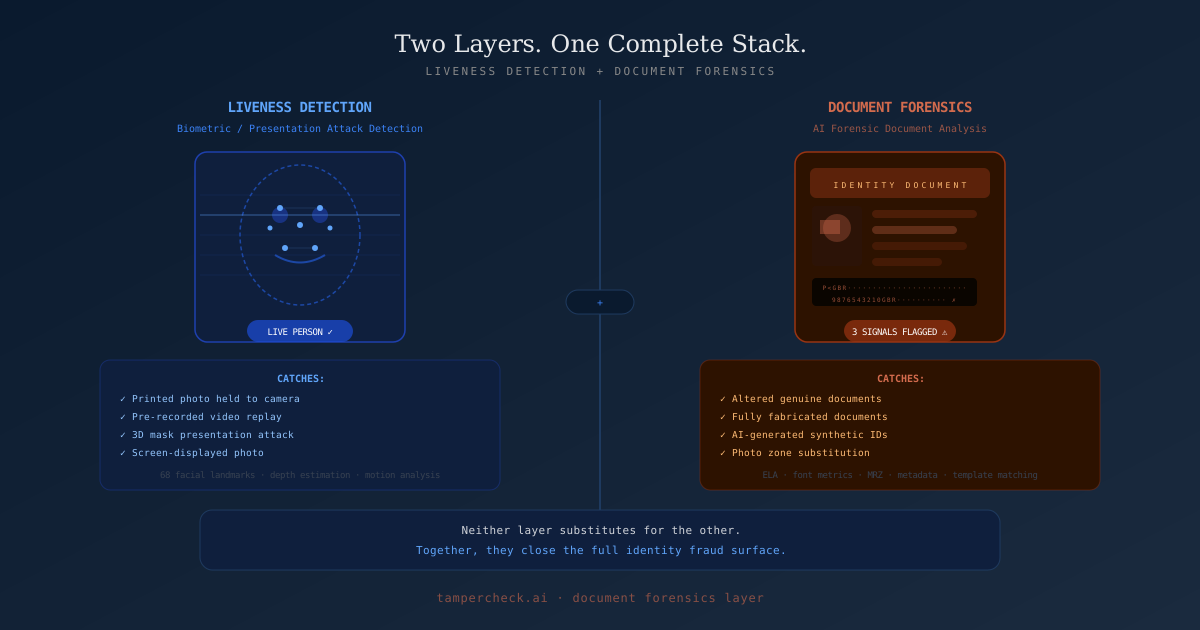
Liveness Detection vs Document Forensics: Two Layers Every Identity Stack Needs
Most identity verification platforms lead with biometrics — 68 facial landmarks, liveness checks, passive anti-spoofing. These are necessary. But they don't verify the document. And a fraudster with a genuine face and a fake document passes a liveness check every time.
Read more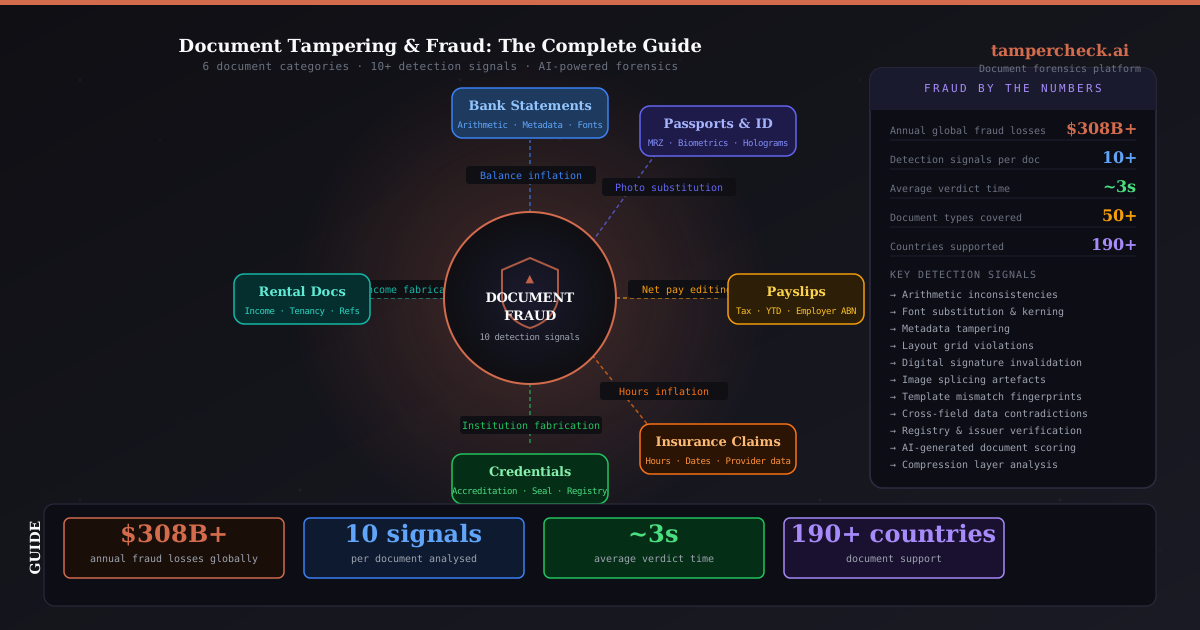
Document Tampering and Fraud: Everything You Need to Know
Document fraud is the entry point for the majority of financial crime. This is the complete guide — how documents are tampered with, what industries are most exposed, what forensic signals expose fraud, and how AI agents have changed detection.
Read more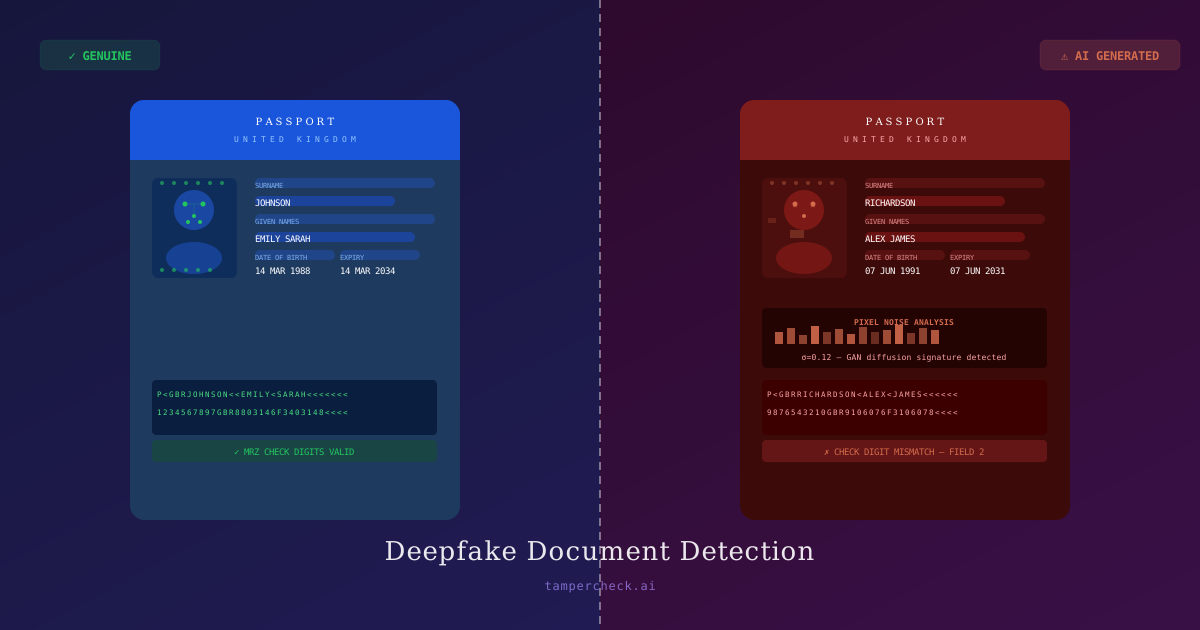
Deepfake Document Fraud: How AI-Generated IDs Are Slipping Through KYC Checks
71% of fraud professionals in EMEA are now worried about deepfakes — and the concern isn't just fake faces. AI-generated identity documents are a rapidly growing attack vector that traditional KYC workflows aren't built to catch.
Read more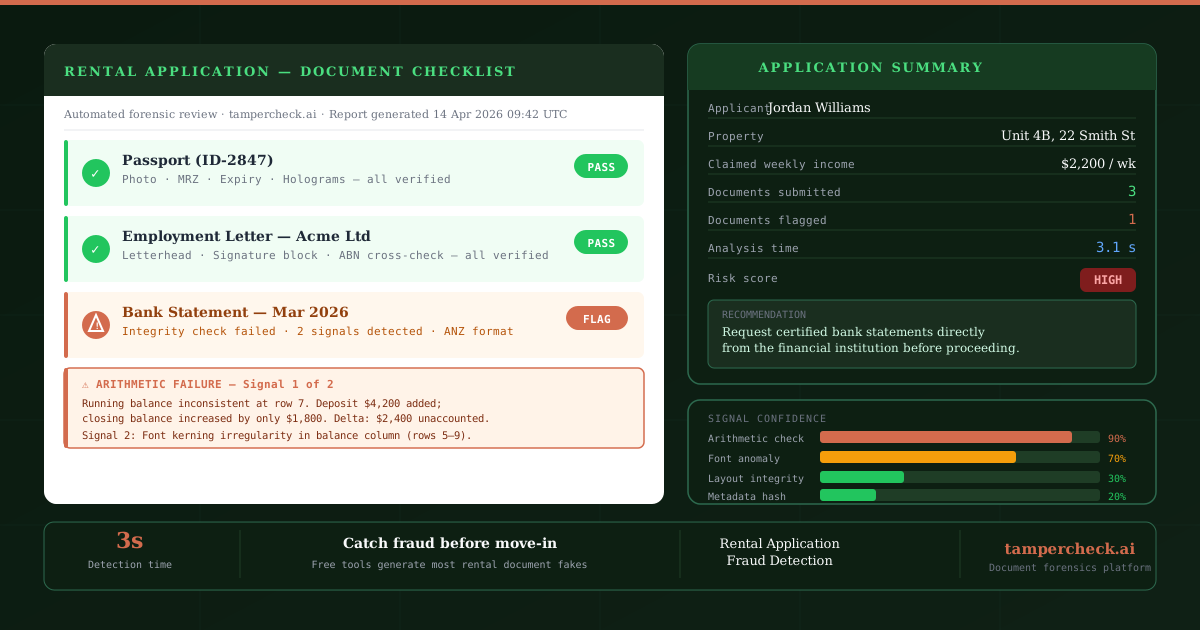
Rental Application Document Fraud: How Property Managers Can Stop It at Submission
Rental application fraud has surged with online tools that generate convincing fake income documents in minutes. Property managers catching fraud weeks into a tenancy face costly eviction proceedings. AI verification catches it at submission — in seconds.
Read more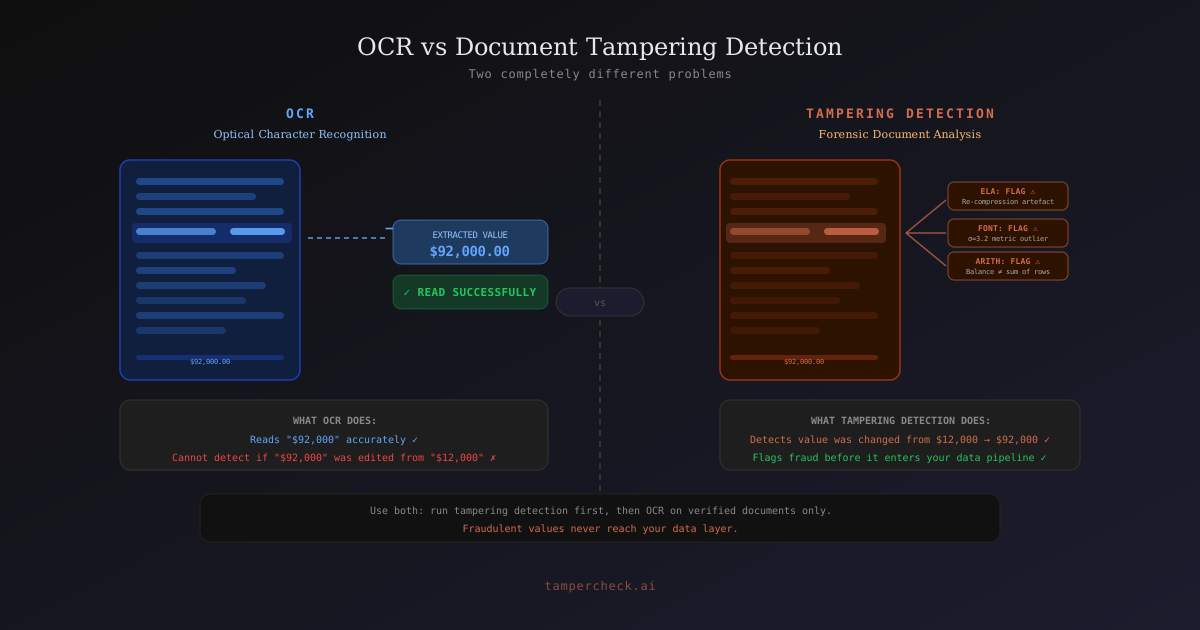
Document Tampering Detection vs OCR: Why Extracting Text Is Not the Same as Verifying It
OCR reads what a document says. Document tampering detection determines whether what it says is real. These are fundamentally different problems — and confusing them is why so much document fraud gets through.
Read more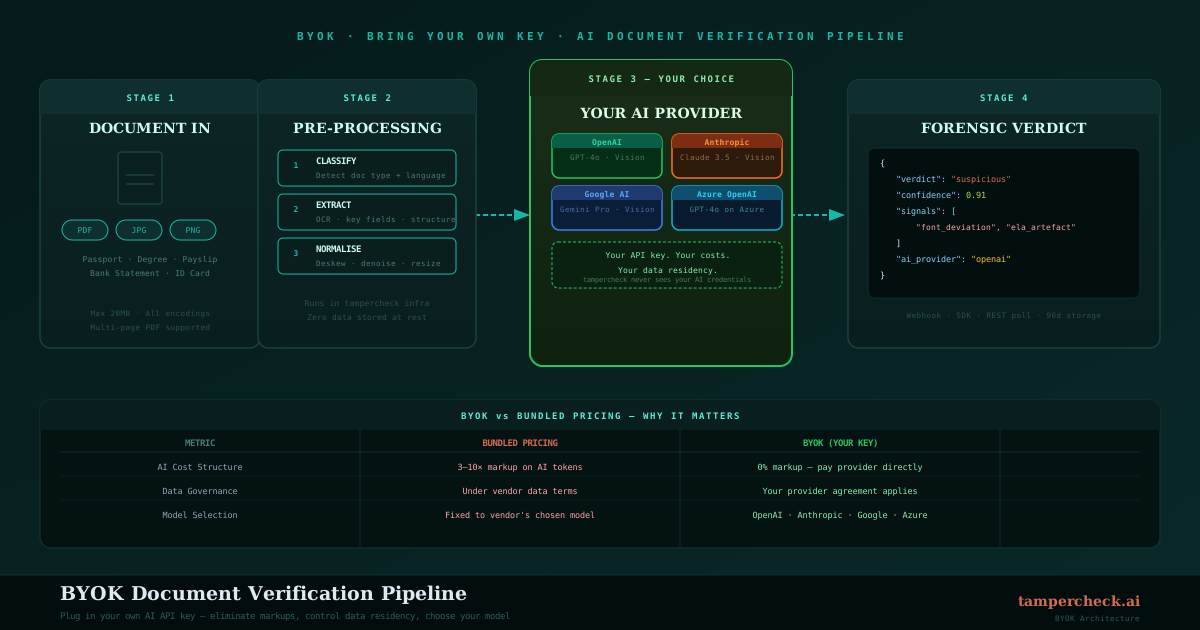
Building an AI Document Verification Pipeline with BYOK: Architecture and Best Practices
Bring-your-own-key AI document verification lets you route forensic analysis through your preferred AI provider — with full cost visibility, data residency control, and no vendor lock-in. Here's how to architect the pipeline.
Read moreFake Degree and Credential Fraud Detection: What AI Forensics Finds in Fabricated Qualifications
Credential fraud costs employers dearly — a fake degree gets someone hired into a role they're unqualified for, with liability consequences that compound over time. AI forensic analysis catches fabricated qualifications at the point of application.
Read moreInsurance Claim Document Fraud: How AI Agents Catch Inflated and Fabricated Claims
Insurance fraud costs the industry billions annually — and most of it enters through the document layer. AI agents running forensic checks at claim submission catch inflated invoices, fabricated quotes, and altered medical reports before they're paid.
Read more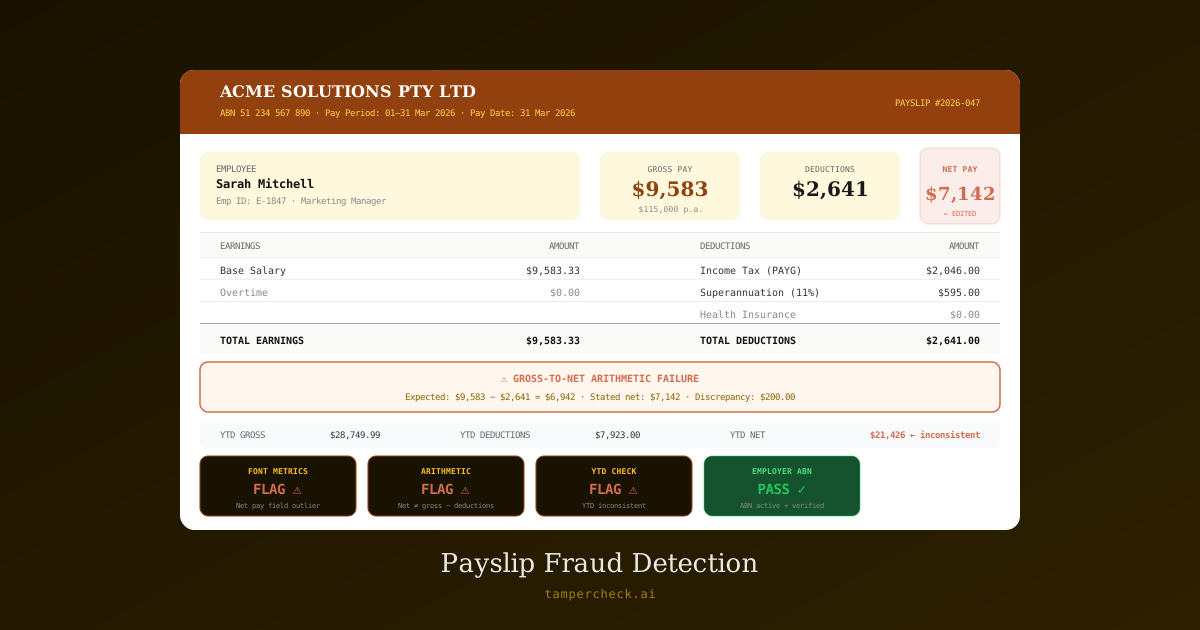
Payslip Fraud Detection: How AI Catches Fake Income Documents Before They Cost You
A fake payslip can be generated in minutes using online tools. The forensic checks that catch it (gross-to-net arithmetic, font analysis, employer ABN verification) run in seconds with AI.
Read more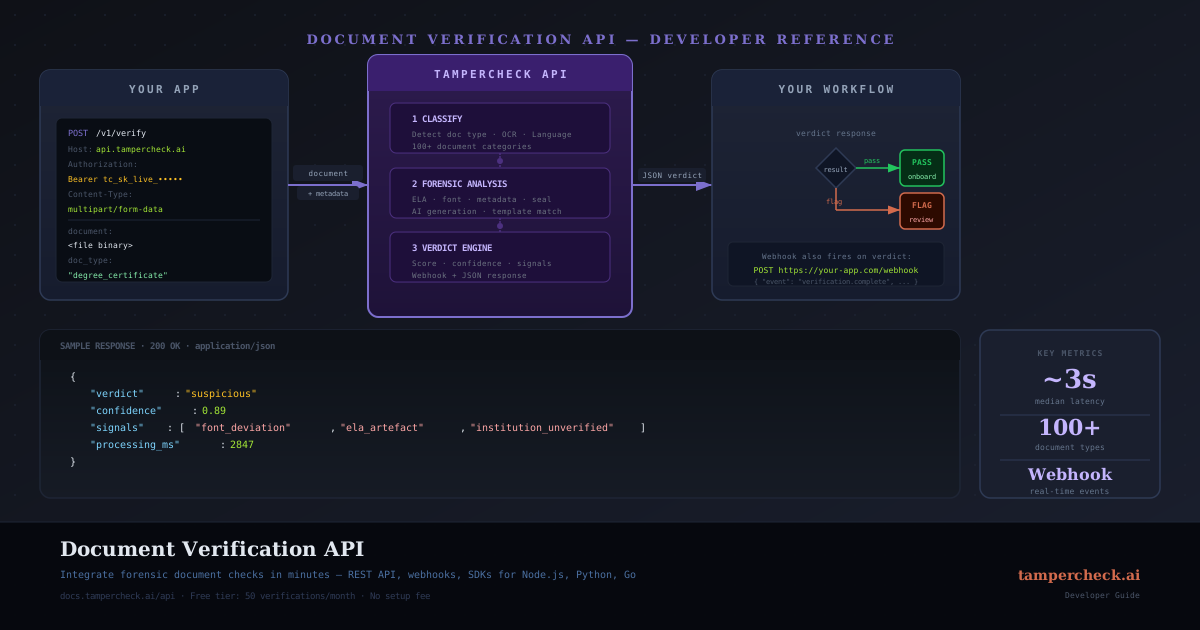
Document Verification API: A Developer's Guide to Integrating AI Document Checks
Everything a developer needs to integrate AI document verification into a production workflow: API authentication, request structure, response parsing, webhook events, and error handling.
Read more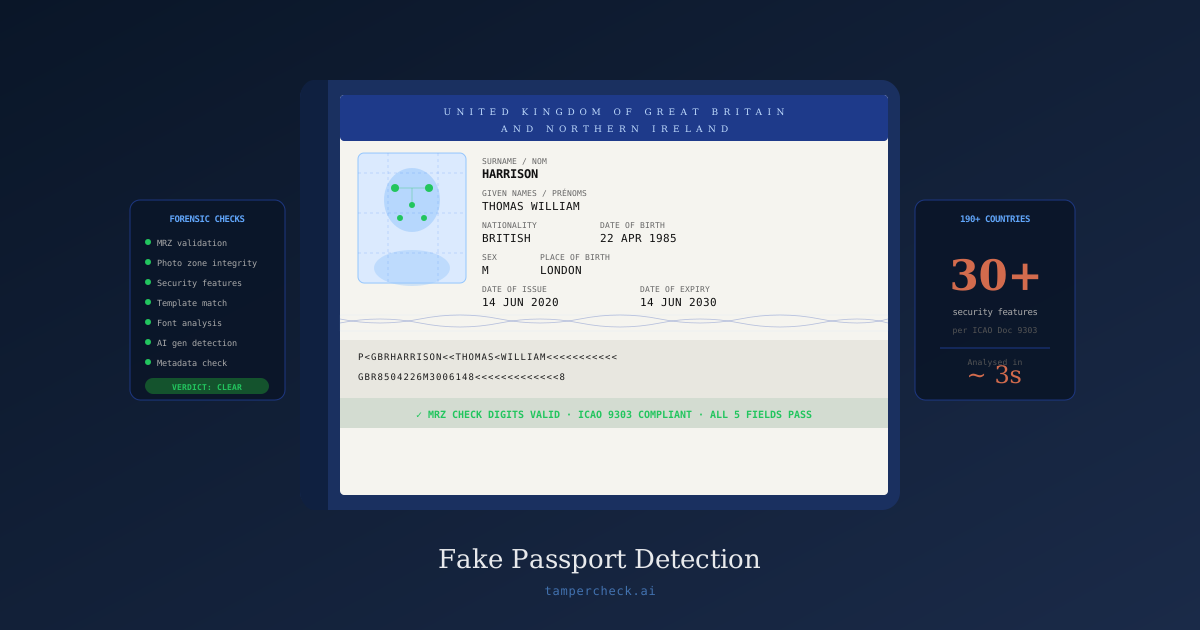
Fake Passport Detection: The Forensic Signals That Expose a Forged Travel Document
A convincing fake passport passes visual inspection every time. The forensic signals that expose it (MRZ arithmetic, hologram spatial profiles, and photo zone boundary analysis) require AI to run at scale.
Read moreAutomated KYC Document Verification: How AI Agents Are Replacing Manual Review
KYC document review is the bottleneck in every onboarding workflow. AI agents now handle the forensic layer automatically — returning verdicts in seconds and routing only genuine edge cases to human reviewers.
Read more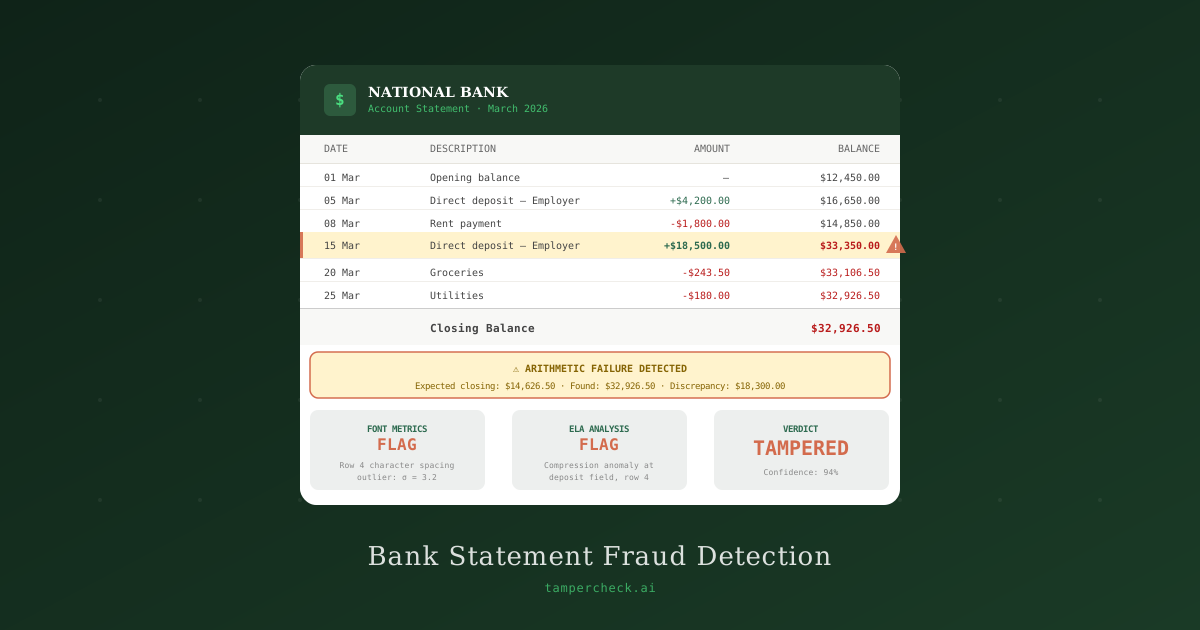
How to Detect a Tampered Bank Statement: The 7 Forensic Signals Reviewers Miss
Most bank statement fraud isn't caught at submission — it's caught months later when balances don't reconcile. Here's the forensic checklist that AI agents run in seconds to catch what reviewers miss.
Read moreHow AI Agents Detect Forged Documents: The Forensic Signals Behind Instant Fraud Verdicts
Modern document fraud has outpaced human reviewers. AI agents now combine computer vision, metadata forensics, and large language models to catch what the eye misses — in under three seconds.
Read more